Elevating Post-Wedding Gratitude with a Jasmine Floral Thank You Card Template
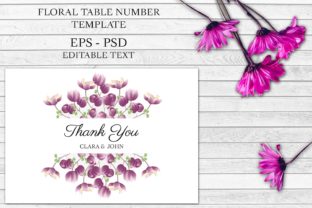
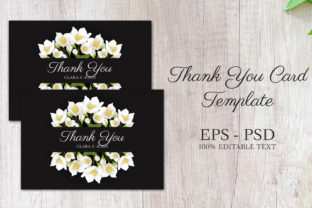
The wedding celebration may be over, but the etiquette of gratitude continues. For modern couples seeking a balance between botanical elegance and minimalist design, a Jasmine Floral Thank You Card Template offers the perfect solution. This specific style of stationery bridges the gap between traditional floral motifs and contemporary clean lines, ensuring your post-wedding correspondence feels as curated as the event itself. Unlike generic store-bought cards, utilizing a dedicated wedding floral thank you card template with jasmine flower decoration allows for a personalized touch that resonates with the aesthetic of your special day while remaining incredibly practical to produce.
The Appeal of Modern Botanical Minimalism
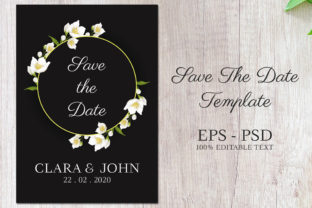
When selecting stationery, many couples struggle to find designs that feel fresh rather than dated. Jasmine, with its delicate white blooms and verdant foliage, naturally lends itself to a simple style of modern wedding stationary. The key to this template’s success lies in its restraint. Rather than overwhelming the card with dense patterns, the jasmine decoration serves as an elegant frame or accent, leaving ample negative space for your message.
This minimalist approach is not merely an aesthetic choice; it is a functional one. In an era where digital communication dominates, physical mail stands out because of its tactile quality and visual clarity. A cluttered design can sometimes feel impersonal or mass-produced. By contrast, a Jasmine Floral Thank You Card Template prioritizes readability and sophistication. The 5 x 3.5-inch size further supports this modern sensibility. It is compact enough to feel intimate yet substantial enough to convey sincerity, fitting perfectly into standard envelopes without requiring extra postage.
Versatility Across Wedding Themes
One might assume that a specific floral template limits its use to garden weddings, but the simplicity of this jasmine design makes it remarkably versatile. Consider how it integrates into various popular wedding aesthetics:
- Bohemian Chic: The organic lines of the jasmine vine complement macramé decor and earthy color palettes without competing with them.
- Modern Classic: When paired with serif typography and cream paper stock, the template reads as timeless and refined.
- Tropical Destination: Jasmine is native to many tropical regions, making this design culturally and visually appropriate for beachside or resort weddings.
- Minimalist Industrial: The softness of the floral illustration provides a necessary counterpoint to concrete venues and metallic accents.
This adaptability ensures that the investment in a high-quality template pays off regardless of shifting trends or venue changes. The jasmine motif acts as a neutral botanical element that harmonizes with almost any color scheme when printed on white or off-white backgrounds.
Technical Advantages: EPS and PSD CS6 Editable Files
For DIY brides, grooms, or freelance designers, the technical specifications of a template are just as important as its visual appeal. This Jasmine Floral Thank You Card Template is delivered with both EPS CS6 and PSD CS6 editable files, providing maximum flexibility for different workflows and skill levels.
Working with the PSD File
The Photoshop (PSD) file is ideal for those who want precise control over photo editing, texture overlays, and color grading. Because the text is 100% editable, you can swap out placeholder copy with your own gratitude notes instantly. Layers are typically organized logically, separating the jasmine artwork from the background and text elements. This separation allows you to adjust the opacity of the flowers, change their hue to match your wedding colors, or even remove certain elements entirely without damaging the core design.
Furthermore, PSD files support smart objects and layer styles. If you wish to add a gold foil effect to the jasmine vines or emboss the text, the layered structure facilitates these advanced modifications without requiring you to redraw the illustration from scratch.
Leveraging the EPS Vector Format
While PSD handles raster effects beautifully, the EPS CS6 file is the powerhouse for scalability and print production. As a vector-based format, EPS ensures that the jasmine illustration remains crisp at any size. Although this template is designed for 5 x 3.5 inches, having the vector source means you could repurpose the floral border for larger signage, menu cards, or table numbers without pixelation.
Professional print shops often prefer EPS or AI files for offset printing because they handle spot colors and die-cut lines more accurately than raster images. If you plan to order letterpress or foil stamping, the EPS file provides the clean paths necessary for creating printing plates. Even if you are printing at home, the vector foundation ensures that the edges of the jasmine leaves remain sharp, avoiding the fuzzy artifacts common in low-resolution JPEG templates.
Streamlining the Post-Wedding Workflow
Writing thank you notes is often cited as one of the most daunting post-wedding tasks. Fatigue sets in, and the prospect of handwriting hundreds of messages can lead to procrastination. Using a digital template streamlines this process significantly.
Because the text is 100% editable, you can create a master document with your standard opening and closing sentiments. From there, personalization becomes a matter of inserting specific details about each guest's gift or attendance. This hybrid approach—printed design with handwritten personal additions—is widely accepted in modern etiquette. It saves time while retaining the warmth of a personal note.
Additionally, having an editable file means you can batch-process your printing. Instead of buying pre-printed cards in fixed quantities, you can print exactly what you need. Did three guests get lost in the mail? Simply edit the file and print three more. This eliminates waste and prevents the frustration of running short on matching stationery.
Typography and Layout Considerations
When customizing your Jasmine Floral Thank You Card Template, pay close attention to the relationship between the typography and the floral art. The simple style of this modern wedding stationary relies on balance. Here are practical recommendations for maintaining that equilibrium:
- Font Pairing: Combine a delicate script for headers (like "Thank You") with a clean sans-serif or legible serif for the body text. This mirrors the contrast between the organic jasmine and the structured card shape.
- Hierarchy: Ensure the jasmine decoration does not obscure the text. Keep the central area clear. If the floral density is too high for your taste, use the PSD layers to mask out inner elements.
- Color Consistency: Sample colors directly from the jasmine illustration for your text accents. This creates a cohesive look that feels professionally designed rather than assembled.
- Margins: Respect the safe zone. With a 5 x 3.5-inch canvas, keep critical text at least 0.25 inches from the trim line to prevent accidental cropping during home or professional printing.
Paper Selection and Printing Practicalities
The final presentation of a wedding floral thank you card template depends heavily on material choice. Digital files are only half the equation; the substrate brings the design to life. For a jasmine-themed card, paper texture plays a significant role in conveying the intended mood.
Cotton Rag Paper is often the top recommendation for botanical designs. Its soft, porous surface absorbs ink slightly, giving the jasmine illustration a painterly, vintage quality that complements the natural subject matter. It also feels luxurious to the touch, reinforcing the sentiment of gratitude.
Smooth Matte Cardstock offers a more contemporary finish. Colors appear more vibrant and lines sharper on coated surfaces. If your wedding aesthetic was sleek and modern, this paper choice aligns better with the "simple style" descriptor of the template. Avoid glossy papers for thank you cards, as they can make handwriting difficult and tend to cheapen the perception of botanical stationery.
Before committing to a full print run, always test your specific printer and paper combination. Inkjet printers may render the greens of the jasmine differently than laser printers. Calibration ensures that the delicate whites of the flowers do not blow out and that the text remains crisp against the floral background.
Repurposing the Design Asset
Smart couples view stationery templates as assets rather than single-use items. The Jasmine Floral Thank You Card Template possesses inherent value beyond post-wedding correspondence. Because you receive fully editable source files, the design system extends to other areas of your new life together.
Consider using the jasmine border for holiday greeting cards during your first year of marriage. The neutral botanical theme transitions seamlessly across seasons. Alternatively, the floral elements can be isolated and used as watermarks for social media announcements, blog headers for wedding recaps, or even custom labels for wedding favors and pantry organization. The 5 x 3.5-inch dimensions also make the template suitable for recipe cards, gift tags, or bookmark inserts for wedding party gifts.
By maximizing the utility of the EPS and PSD files, the cost-per-use drops significantly. You are not just buying a thank you card; you are acquiring a flexible design kit anchored by the timeless beauty of jasmine. This forward-thinking approach to wedding stationary aligns with modern values of sustainability and resourcefulness, proving that beautiful design can be both emotionally resonant and pragmatically sound.