Evaluating Tiny Cluster Floral Pattern Design for Vector Projects
Selecting the right visual assets is a critical step in any design workflow, particularly when balancing aesthetic appeal with technical functionality. The Tiny Cluster Floral Pattern Design represents a specific category of vector art that prioritizes scalability and editability over static imagery. For designers, illustrators, and content creators evaluating this asset, understanding its technical composition and practical applications is essential before integration. This evaluation focuses on the utility of hand-drawn vector objects, the implications of mesh tool coloring, and how to determine if this specific floral style aligns with current project requirements.
Defining the Asset: Hand-Drawn Vector Aesthetics
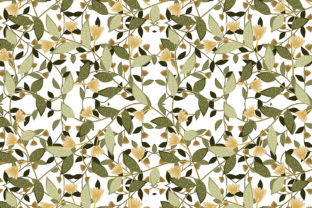
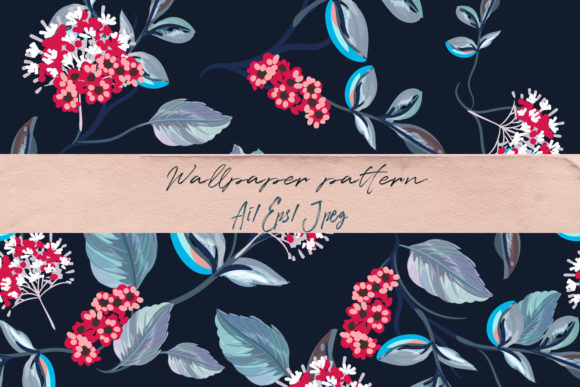
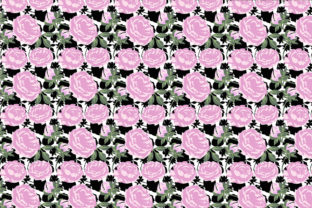
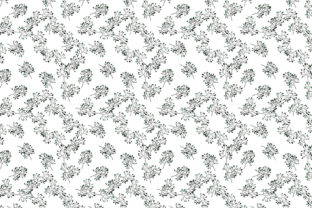
The Tiny Cluster Floral Pattern Design is not merely a decorative image; it is a fully scalable vector object. Unlike raster graphics composed of pixels, this asset is defined by mathematical paths, allowing for infinite resizing without degradation. A distinguishing feature of this specific design is the use of the bucket mesh tool for color filling. This technique differs from standard flat fills or simple gradients. Mesh fills allow for complex color transitions within a single shape, creating depth and organic variation that mimics traditional media while retaining vector precision.
The "hand-drawn" descriptor indicates that the anchor points and curves were likely created with an artistic intent rather than algorithmic generation. This results in organic imperfections that add character to the cluster pattern. When evaluating this asset, one must recognize that it bridges the gap between digital efficiency and analog warmth. It serves as a middle ground for projects requiring the cleanliness of vector art but lacking the sterile feel of purely geometric designs.
Technical Benefits and Workflow Integration
The primary value proposition of this Tiny Cluster Floral Pattern Design lies in its post-acquisition flexibility. Because the file is provided in EPS format alongside a JPEG preview, it integrates seamlessly into industry-standard software such as Adobe Illustrator, CorelDRAW, or Affinity Designer. The inclusion of a help file suggests that the creator has anticipated user friction points, providing guidance on manipulation which can significantly reduce the learning curve for less experienced users.
- Infinite Scalability: The vector nature ensures the floral clusters remain crisp whether applied to a business card or a large-format banner.
- Color Customization: While pre-colored with mesh tools, the paths remain editable. Users can adjust hues, saturation, or replace mesh fills entirely to match specific brand guidelines.
- Time Efficiency: Creating complex, hand-drawn floral clusters with mesh shading from scratch is time-intensive. Utilizing a pre-made asset allows designers to allocate hours toward layout and composition rather than illustration.
- Compositional Freedom: As individual vector objects, the clusters can be separated, rotated, scaled, and rearranged to create custom borders, backgrounds, or focal points.
For professionals billing by the hour or working under tight deadlines, the time saved by using a licensed, modifiable asset often outweighs the cost of acquisition. The ability to modify the object means the design does not have to look identical across multiple projects, preserving uniqueness.
Tradeoffs and Technical Considerations
While the benefits are significant, objective evaluation requires acknowledging potential limitations. The use of mesh tools, while visually superior to flat color, introduces complexity. Mesh-heavy files can be computationally demanding. On older hardware or within complex documents containing hundreds of other elements, rendering times may increase. Designers working on performance-sensitive web projects or low-spec devices should test the file’s impact on workflow speed before committing to it for large-scale production.
Additionally, the hand-drawn aesthetic is subjective. The organic lines that make the Tiny Cluster Floral Pattern Design appealing for boutique branding may appear too informal for corporate financial reports or ultra-modern tech interfaces. The style dictates the tone. Furthermore, while the license permits modification, users must verify the specific terms regarding redistribution or trademark usage. Owning the EPS file grants usage rights, but typically not ownership of the underlying intellectual property. Understanding these legal boundaries is as important as understanding the technical ones.
Ideal Use Cases and Application Fit
Determining whether this asset is a strong fit depends heavily on the project's end goal. The Tiny Cluster Floral Pattern Design excels in contexts where detail and elegance are paramount. It is particularly well-suited for:
- Packaging Design: Cosmetics, artisanal foods, and luxury goods benefit from the intricate detail of mesh-filled florals which convey quality and craftsmanship.
- Stationery and Invitations: Wedding suites, greeting cards, and letterheads utilize the romantic, organic nature of hand-drawn clusters to establish emotional resonance.
- Textile and Surface Pattern Design: The seamless adaptability of vector clusters makes them ideal for repeating patterns on fabric, wallpaper, or wrapping paper.
- Branding for Organic Products: Businesses focusing on sustainability, botany, or wellness often require visuals that feel natural rather than synthetic.
In these scenarios, the asset acts as a foundational element that elevates the perceived value of the final product. The combination of vector sharpness and painterly shading provides a professional finish that is difficult to achieve with stock photography or basic clip art.
When to Consider Alternatives
Despite its versatility, this specific design solution is not universal. There are distinct situations where alternatives may offer better ROI or aesthetic alignment. If the project demands a strictly minimalist, flat-design aesthetic common in SaaS interfaces or modern app icons, the complexity of mesh-filled florals may introduce unnecessary visual noise. In such cases, simpler line-art vectors or geometric shapes would be more appropriate.
Similarly, if the output medium is exclusively low-resolution digital display, the advantages of vector scalability and mesh shading are negated. A high-quality PNG or optimized SVG might suffice without the need for editable source files. Additionally, if the project requires photorealistic botanical accuracy rather than stylized interpretation, 3D renders or high-resolution macro photography would serve the purpose better. The Tiny Cluster Floral Pattern Design is an illustrative interpretation, not a scientific reference. Evaluators must distinguish between the need for artistic representation versus literal depiction.
Making the Final Selection Decision
Ultimately, the decision to incorporate the Tiny Cluster Floral Pattern Design should be based on a balance of technical compatibility and stylistic relevance. Reviewers should assess their current toolkit: Do they possess the software required to open and edit EPS files? Are they comfortable manipulating mesh gradients, or will they rely solely on the pre-set colors? Does the hand-drawn style complement the existing typography and color palette of the project?
If the goal is to save time while maintaining a high degree of customization, and the project calls for an elegant, organic touch, this asset presents a practical solution. The inclusion of multiple file formats and documentation reduces risk, making it an accessible option for both intermediate and advanced users. By weighing the computational tradeoffs against the aesthetic benefits, designers can confidently determine if this floral pattern serves as the right building block for their creative vision. The value lies not just in the visual output, but in the efficiency and flexibility it introduces to the design process.