Hand Drawn Floral Vector Collection: Bringing Organic Charm to Digital and Print Projects
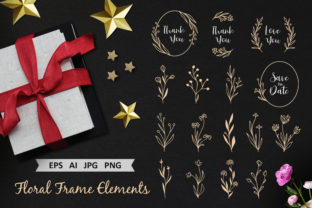
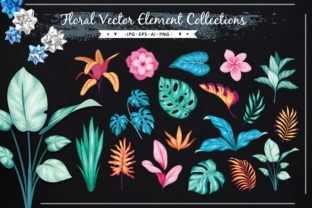
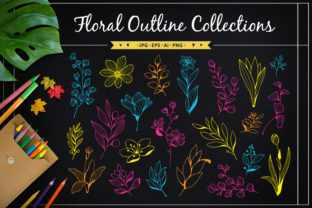
There is a distinct warmth to hand-drawn illustration that digital rendering often struggles to replicate. A Hand Drawn Floral Vector Collection bridges this gap by offering the authentic, imperfect beauty of traditional art combined with the infinite scalability of vector graphics. Unlike raster images that pixelate when resized, these collections provide crisp lines and vibrant colors at any dimension, making them an essential resource for creators who need versatility without sacrificing aesthetic quality. Whether you are designing a wedding suite or branding a boutique clothing line, having a library of botanically inspired elements allows you to infuse projects with natural elegance instantly.
Elevating Textile and Apparel Design
Fashion and textile designers frequently face the challenge of creating patterns that feel bespoke rather than mass-produced. This collection serves as a foundational toolkit for surface pattern design. Because the files are available in AI and EPS formats, individual floral elements can be isolated, rotated, and rearranged to create seamless repeats for fabric printing. The organic nature of hand-drawn lines prevents the "stiff" look that sometimes plagues digital textile prints.
For independent clothing brands or DIY enthusiasts personalizing t-shirts, these vectors offer significant advantages over pre-made clip art. You can adjust the stroke weight to match the fabric texture or recolor the palette to align perfectly with seasonal trends. Imagine creating a summer capsule collection where the same botanical motif appears as a subtle pocket embroidery on a linen shirt and as a bold, oversized print on a canvas tote bag. The ability to scale these graphics means you maintain visual consistency across vastly different garment sizes and types without losing detail.
Practical Considerations for Fabric Printing
- Color Separation: When preparing for screen printing, the vector format allows for easy color separation, ensuring each ink layer is clean and precise.
- Scale Testing: Always print a test swatch at actual size; what looks delicate on a monitor might appear too heavy or sparse on woven cotton.
- Placement Strategy: Use PNG versions with transparent backgrounds for quick mockups to visualize placement before committing to final vector adjustments.
Stationery, Wedding Suites, and Paper Goods
The stationery industry relies heavily on floral motifs, but saturation has made it difficult to stand out. A high-quality Hand Drawn Floral Vector Collection provides the raw materials to build custom identities rather than relying on overused stock templates. For wedding invitations, the tactile quality of hand-drawn stems and petals complements premium paper stocks like cotton rag or vellum. Designers can mix and match elements to create unique borders, corner flourishes, or watermarks that frame typography without overwhelming it.
Beyond weddings, these assets are invaluable for everyday paper goods. Greeting card makers can use JPGs for rapid prototyping and then switch to vectors for final production to ensure sharp edges during die-cutting. For scrapbooking enthusiasts and memory keepers, the collection offers cohesive embellishments that tie together disparate photos and journaling spots. Instead of searching for matching stickers, you can print your own die-cut labels, address tags, and envelope liners that coordinate perfectly with your album’s theme. The versatility extends to party favors and cupcake toppers, where small-scale details matter immensely. Because vectors remain sharp at tiny sizes, intricate petal details won't blur when printed on 2-inch cardstock circles.
Branding, Signage, and Commercial Applications
Small businesses in the wellness, beauty, and culinary sectors often seek branding that feels artisanal and approachable. Floral vectors act as excellent secondary brand elements. A bakery might use a specific hand-drawn peony as a logo accent, while a spa could utilize leafy vines as background textures for menus and price lists. The key benefit here is adaptability; a single collection can supply assets for business cards, window decals, product packaging, and social media templates while maintaining a unified visual language.
Signage presents unique technical challenges that only vectors can solve effectively. Large-format banners and storefront window vinyl require massive file sizes. Raster florals would become blurry eyesores at this scale, but hand-drawn vectors retain their integrity whether they are three inches or three feet tall. This makes the collection particularly useful for event signage, directional markers, and promotional backdrops. Retailers can also leverage these graphics for seasonal updates, swapping out floral accents to reflect spring blooms or autumn foliage without redesigning their entire sign system from scratch.
Maximizing Value Across Formats
Understanding which file type to use saves time and prevents production headaches. While the collection includes multiple formats, each serves a specific purpose in a professional workflow:
- AI and EPS Files: These are your master files. Use them when you need to edit colors, reshape paths, or combine elements into new compositions. They are essential for professional printing and large-format output.
- PNG Files: Best for web design, digital planners, and quick mockups. The transparent background allows for easy layering over photos or colored backgrounds without extra editing steps.
- JPG Files: Ideal for reference, inspiration boards, or simple home printing projects where transparency isn't required. They load quickly and are universally compatible.
Navigating Creative Limitations and Best Practices
While a Hand Drawn Floral Vector Collection is incredibly versatile, successful implementation requires thoughtful application. One common pitfall is overcrowding. Hand-drawn art breathes best with negative space; filling every inch of a design can make it look chaotic rather than lush. Consider the hierarchy of information—florals should enhance, not compete with, text or focal imagery.
Licensing is another critical consideration. Before using these assets for commercial products like stickers or clothing, verify the license terms. Some collections allow for end-product sales but prohibit reselling the digital files themselves or using them in print-on-demand services without modification. Understanding these boundaries protects your business and respects the original artist's work.
Technical compatibility also matters. If you lack Adobe Illustrator, EPS files might be challenging to edit. However, many free alternatives like Inkscape can open and modify these vectors. For users who only need static images, the included PNG and JPG files eliminate the need for specialized software entirely. This accessibility makes the collection valuable for both seasoned graphic designers and hobbyists exploring DIY crafts.
Inspiring New Creative Directions
Beyond obvious applications, these floral elements can spark unexpected creativity. Digital artists might use them as textured overlays in Procreate to add analog grain to digital paintings. Teachers and educators can incorporate them into worksheets and certificates to make learning materials more engaging. Home decorators might print large-scale botanicals to frame as affordable wall art or create custom wrapping paper for gifts.
The true strength of this collection lies in its role as a creative catalyst. It removes the barrier of drawing complex botanicals from scratch, freeing up mental energy for composition and concept development. Whether you are addressing labels for homemade jam jars, designing a calendar for a nonprofit fundraiser, or adding a feminine touch to a corporate presentation, these hand-drawn vectors provide a reliable, beautiful foundation. They transform ordinary surfaces into something special, proving that practical design resources can still carry the soul of handmade artistry.