Abstract Floral Pattern Design Guide
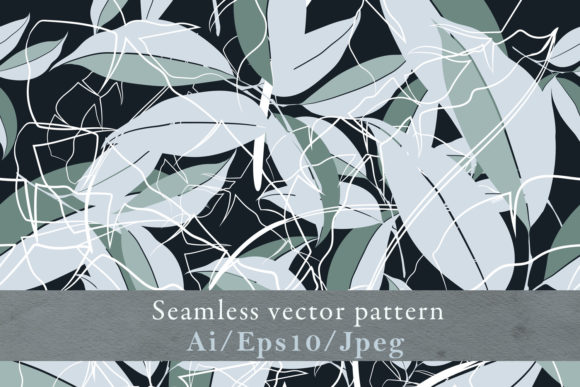
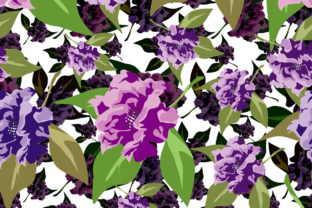
Elevating a visual identity often requires balancing organic warmth with modern precision, and an abstract floral pattern offers the perfect solution for designers seeking versatility. Unlike traditional botanical illustrations, these stylized motifs provide texture and depth without overwhelming the core message of your creative assets. Whether you are refining a brand identity or developing social media graphics, understanding how to leverage these elements can transform a flat layout into a dynamic, engaging experience that resonates with contemporary audiences.
The Strategic Value of Stylized Botanicals
In professional graphic design, abstraction serves a functional purpose beyond mere decoration. It allows for greater flexibility across various media, from digital marketing campaigns to physical packaging design. An abstract floral pattern strips away specific species identification, focusing instead on rhythm, flow, and negative space. This universality makes it an ideal backdrop for typography, ensuring text remains legible while the background adds necessary visual interest. When integrated thoughtfully, these patterns reinforce brand personality, suggesting growth, elegance, or innovation depending on the color palette and composition chosen.
Practical Applications Across Media
Versatility is key when selecting creative assets for multi-channel projects. Designers frequently utilize these patterns to maintain consistency across diverse touchpoints while adapting to specific format requirements.
- Branding and Packaging: Use subtle, low-opacity versions as watermarks on business cards or as bold, full-bleed backgrounds on product boxes to establish a cohesive brand identity.
- Web and UI Design: Implement vector-based patterns in hero sections or as dividers to guide user attention without compromising site performance or accessibility standards.
- Editorial and Print: Enhance magazine spreads or annual reports by using pattern elements to frame content, creating a sophisticated visual hierarchy that improves readability.
- Social Media Content: Create reusable templates where the pattern acts as a consistent border or overlay, strengthening recognition in fast-scrolling feeds.
Technical Considerations: EPS, JPEG, and Help Files
When sourcing or creating these assets, file format dictates usability. Professional workflows demand scalability, making the EPS file the industry standard for print and large-format applications. Vector formats allow infinite resizing without pixelation, ensuring crisp edges on everything from merchandise to billboards. Conversely, a high-resolution JPEG file is often more practical for web design, digital presentations, and quick mockups where file size impacts load times.
Equally important but often overlooked is the help file included with premium design resources. This documentation provides critical metadata regarding licensing, color profiles (CMYK vs. RGB), and layer organization. Reviewing this information prevents costly production errors and ensures the asset integrates smoothly into your existing design system. Understanding the technical specifications upfront saves time during the creative process and guarantees the final output meets professional quality standards.
Integrating Patterns with Typography and Color
A successful design relies on harmony between imagery and type. When pairing an abstract floral pattern with typography, prioritize contrast and breathing room. Intricate patterns require simpler, bolder typefaces to maintain legibility, while minimalist designs can accommodate more detailed serif fonts. Color selection should align with emotional goals; muted tones convey sophistication and calm, while vibrant hues suggest energy and modernity. Always test combinations at actual size to verify that the pattern supports rather than competes with the primary communication objectives.
Ultimately, the effectiveness of any visual element lies in its intentionality. High-quality creative assets like abstract florals are powerful tools, but they achieve their full potential only when applied with strategic foresight. By respecting technical constraints, prioritizing user experience, and maintaining aesthetic coherence, designers can harness these patterns to build stronger connections between brands and their audiences. Thoughtful execution turns simple decoration into meaningful visual communication that stands the test of evolving design trends.