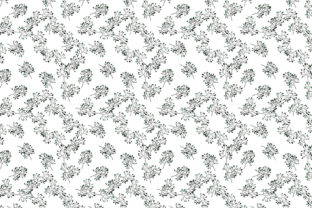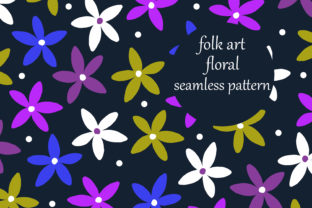
Folk Art Floral Illustrated Pattern Design
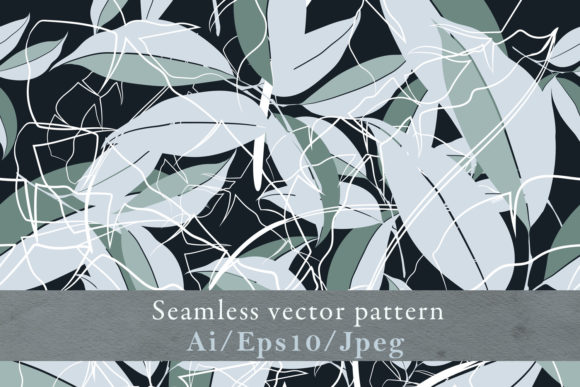
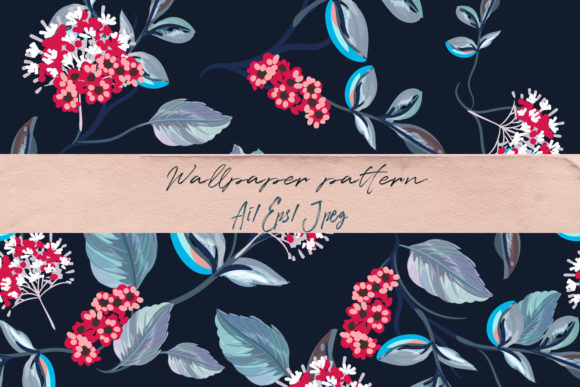
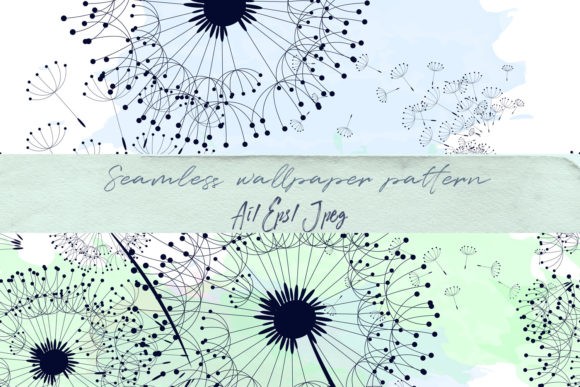
Elevate your next creative project with the timeless charm and modern versatility of a Folk Art Floral Illustrated Pattern that seamlessly blends tradition with contemporary design needs. This Scandinavian folk art inspired pattern, constructed from playful doodle shapes, offers a unique visual texture perfect for a whole variety of different projects across both digital and print mediums. Unlike rigid geometric repeats, this organic aesthetic brings warmth and personality to graphic design, making it an invaluable asset for designers seeking to soften corporate identities or add handcrafted authenticity to commercial work. Available in multiple color options, it adapts effortlessly to diverse brand palettes while maintaining its distinctive character.
The Role of Organic Patterns in Visual Communication
In professional visual design, patterns serve as more than mere background filler; they are strategic tools for establishing mood and guiding user attention. A well-crafted folk art motif introduces a sense of heritage and craftsmanship that flat, minimalist vectors often lack. When integrated into brand identity systems, these illustrated elements create emotional resonance, helping businesses connect with audiences on a human level. The doodle-based construction ensures the artwork remains approachable rather than overly formal, striking a balance between nostalgic appeal and modern aesthetics.
For editorial design and web layouts, this type of texture breaks up dense typography and creates necessary white space without feeling empty. It establishes a visual hierarchy where content breathes naturally, improving readability and user engagement. By utilizing scalable vector assets, designers maintain crisp quality across all touchpoints, from mobile screens to large-format packaging.
Practical Applications Across Creative Disciplines
The true value of this creative asset lies in its adaptability. Whether you are refining a logo suite or designing a seasonal campaign, the pattern’s flexibility supports numerous applications:
- Packaging Design: Create shelf impact with custom wraps that convey artisanal quality and premium care.
- Social Media Graphics: Use cropped sections as engaging backgrounds for quotes, announcements, or product showcases.
- Web and UI Design: Implement subtle tiling in hero sections or footers to add depth without distracting from primary calls to action.
- Merchandise and Print: Translate seamlessly onto textiles, stationery, tote bags, and promotional materials for cohesive branding.
- Editorial Layouts: Enhance magazine spreads or book covers with borders and dividers that reinforce thematic storytelling.
Strategic Implementation and Design Workflow
Selecting the right variation requires thoughtful consideration of your specific design goals and audience expectations. While the base Folk Art Floral Illustrated Pattern provides strong visual interest, successful integration depends on how it interacts with existing brand systems. Evaluate scalability first; ensure the doodle shapes remain legible when reduced for business cards or app icons. Complex details may need simplification for smaller formats to preserve clarity and professional presentation.
Color selection is equally critical. Leverage the available color options to align with seasonal campaigns or specific product lines while maintaining overall brand consistency. Pair the intricate illustration with clean, sans-serif typography to create contrast and prevent visual clutter. This juxtaposition enhances readability and ensures the pattern supports rather than competes with key messaging. In UX design, consider using lower opacity versions to maintain accessibility standards while still benefiting from the textural richness.
Enhancing Brand Identity Through Texture
Consistency builds trust, and versatile creative assets like this enable unified experiences across fragmented marketing channels. When used strategically, folk art motifs differentiate brands in saturated markets by signaling authenticity and attention to detail. For digital marketing, this translates to higher engagement rates as users respond positively to visually rich, non-generic content. In advertising campaigns, the pattern can serve as a recognizable visual anchor that ties disparate ads together into a cohesive narrative.
Remember that effective design workflow involves testing assets in context before finalizing production files. Mockup presentations help stakeholders visualize real-world applications and validate that the chosen color option harmonizes with photography and copy. This iterative approach prevents costly revisions and ensures the final output meets both aesthetic and functional requirements.
Ultimately, investing in high-quality, versatile design resources transforms ordinary projects into memorable brand experiences. Thoughtful application of folk art elements enriches visual communication, demonstrating that professionalism and personality can coexist beautifully. By prioritizing usability alongside aesthetics, designers create work that not only looks exceptional but also performs effectively across every intended platform and medium.