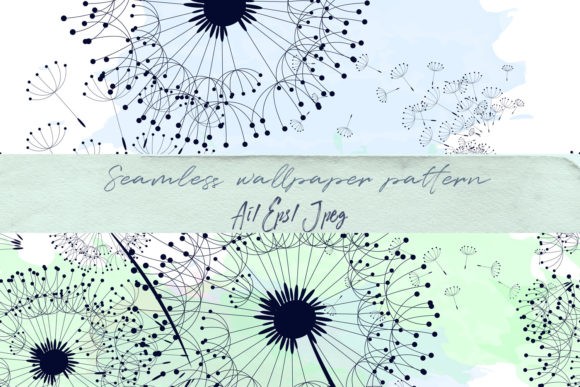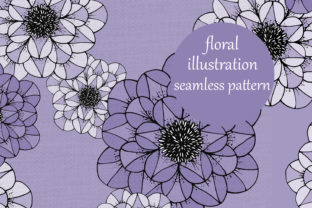
Beautiful Floral Pattern Design: Files & Licensing Guide
Creating visually stunning projects often starts with finding the right background or texture. A beautiful floral pattern design serves as more than just decoration; it acts as a foundational element that sets the tone for branding, packaging, digital content, and personal crafts. When you download a premium botanical asset, you are typically acquiring a complete package rather than a single image. Understanding the specific file types included—specifically EPS, JPEG, Help files, and License documentation—is essential for maximizing the value of your purchase and ensuring your final project looks professional.
Understanding the Core File Formats
The technical quality of a floral design depends entirely on how the file was created and saved. Most high-quality pattern packs include multiple formats to serve different user needs, from professional graphic designers to hobbyists using basic software.
The Power of EPS Files
The EPS (Encapsulated PostScript) file is the crown jewel of any vector pattern package. Unlike standard photos, an EPS file is built on mathematical paths rather than pixels. This distinction matters because it allows you to scale the beautiful floral pattern design to any size without losing clarity. Whether you are printing a small business card or a massive vinyl banner for a trade show, the lines remain crisp and the colors stay vibrant.
For creators using Adobe Illustrator, CorelDRAW, or Affinity Designer, the EPS format offers unparalleled flexibility. You can open this file and modify individual elements within the pattern. If the flowers are too dense, you can space them out. If the color palette doesn't quite match your brand guidelines, you can adjust the hues globally in seconds. This editability transforms a static template into a customizable design system tailored specifically to your vision.
Versatility of JPEG Files
While vectors offer flexibility, JPEG files provide immediate usability. These are rasterized, pixel-based images that have been pre-rendered at a high resolution. They are universally compatible, meaning you can open them in Photoshop, Canva, Microsoft Word, or even preview them on your phone without specialized software.
JPEGs are ideal for users who do not need to alter the underlying geometry of the pattern. They work perfectly as website backgrounds, social media post textures, or digital planner covers. Because they are flattened images, the file sizes are generally manageable, making them easier to upload to print-on-demand platforms or share with clients for quick mockups. Always check the DPI (dots per inch) of the included JPEG; for print projects, ensure it is at least 300 DPI to avoid pixelation.
Navigating Documentation and Legal Usage
Technical files get the job done, but the accompanying documentation protects your work and ensures you use the assets correctly. Many beginners overlook these text files, yet they are critical for commercial safety and workflow efficiency.
Decoding the License File
The License file is arguably the most important document in your download folder. It explicitly states what you can and cannot do with the beautiful floral pattern design. Licensing terms vary significantly between creators and marketplaces. Some licenses allow for unlimited commercial end-products, while others may cap sales at 500 units or require an extended license for mass production.
Reading this file prevents costly legal misunderstandings. For example, you might be permitted to sell physical products featuring the pattern, such as tote bags or stationery, but prohibited from reselling the digital file itself or using it in a logo trademark. Clarifying these boundaries before starting a project saves time and protects your business from copyright infringement claims. Keep this file archived with your project assets for future reference during audits or client inquiries.
Utilizing the Help File
A Help file acts as your personal instructor. Complex patterns sometimes involve layered structures, specific color profiles, or unique tiling methods that aren't immediately obvious. A well-written help document provides context, offering tips on how to seamlessly tile the pattern, recommended color modes for print versus web, and troubleshooting advice for common software issues.
For beginners, this resource bridges the gap between purchasing a file and successfully implementing it. It might explain how to isolate specific floral motifs from the main repeat or suggest complementary font pairings. Treating the help file as a mini-tutorial accelerates your learning curve and helps you achieve professional results faster.
Practical Applications Across Industries
The versatility of botanical aesthetics makes them suitable for a wide array of personal and professional contexts. The combination of scalable vectors and ready-to-use rasters supports diverse workflows.
- Product Packaging: Use the EPS file to create custom wrapping paper, box liners, or labels. The ability to resize ensures the motif fits perfectly on containers of varying dimensions.
- Digital Branding: Apply the JPEG version as a subtle overlay on website hero sections or email newsletters to add organic warmth to tech-forward brands.
- Textile and Fashion: Surface pattern designers utilize the vector source to create seamless repeats for fabric printing, scarves, or home decor textiles.
- Event Stationery: Wedding planners and DIY brides can customize flower colors in the EPS file to match specific wedding themes across invitations, menus, and seating charts.
- Educational Materials: Teachers and curriculum designers use softer floral backgrounds to create engaging worksheets and certificates without distracting from the text content.
Critical Considerations Before You Create
Selecting the right beautiful floral pattern design involves more than aesthetic preference. Practical compatibility and long-term utility should drive your decision-making process.
First, assess your software capabilities. If you lack vector editing tools, prioritize packages that include high-resolution JPEGs or PNGs alongside the EPS. Buying a vector-only pack without access to Illustrator will limit your usage significantly. Conversely, if you are a professional designer, verify that the EPS version is fully editable and not merely a raster image embedded in a vector container.
Second, consider the visual weight of the pattern. Intricate, dense florals work beautifully for large-scale applications but may become muddy when scaled down for mobile screens or small tags. Test the design at your intended output size before committing to a full production run. Sometimes, a simpler, more open composition offers better readability and versatility across multiple touchpoints.
Finally, always organize your assets immediately upon download. Create a dedicated folder structure that separates source files, raster exports, and legal documentation. Renaming files descriptively (e.g., "FloralPattern_Blue_EPS_v2") rather than keeping generic filenames streamlines future retrieval. Proper asset management ensures that when inspiration strikes or a deadline looms, you spend time creating rather than searching through disorganized folders.
By understanding the distinct roles of EPS and JPEG files, respecting license terms, and leveraging help documentation, you transform a simple download into a powerful creative toolkit. This comprehensive approach ensures your floral designs remain beautiful, functional, and legally compliant across every application.