Detailed Sketch Colorful Floral Pattern: A Guide to Hand-Drawn Design Versatility
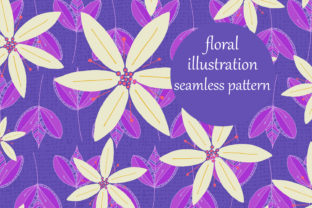
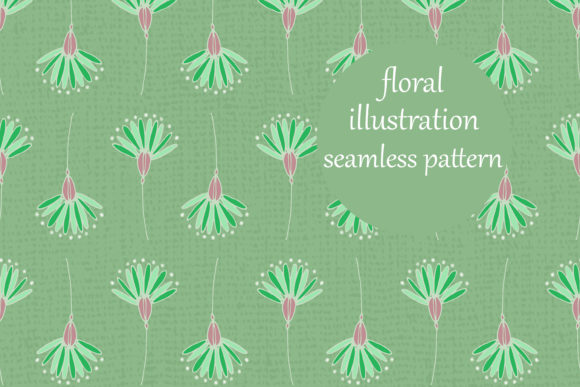
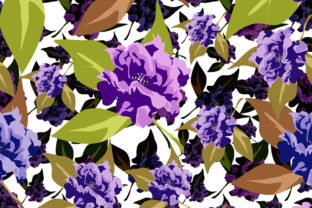
In the expansive world of digital and print design, the search for authentic texture often leads creators away from sterile vector graphics and toward assets that retain the imperfections of human touch. The Detailed Sketch Colorful Floral Pattern represents a specific niche within surface design that bridges the gap between traditional illustration and modern application. Unlike generated fractals or perfectly symmetrical digital repeats, an illustrated floral pattern made from hand-drawn designs carries a unique visual weight. It offers the organic chaos of nature combined with the intentional composition of an artist’s hand. For professionals and hobbyists alike, understanding the utility and characteristics of this specific aesthetic is essential for selecting the right asset for branding, packaging, textile printing, or digital content creation.
The Anatomy of Hand-Drawn Botanical Illustration
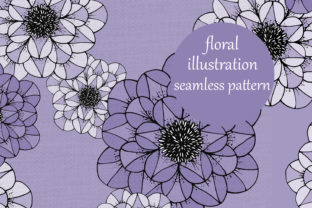
To fully appreciate the value of a Detailed Sketch Colorful Floral Pattern, one must first understand what distinguishes it from other floral motifs. The term "detailed sketch" implies a specific rendering style. These are not merely flat silhouettes or watercolor washes; they are line-based artworks where the stroke quality matters as much as the color fill. The lines may vary in thickness, showing the pressure of a pen, pencil, or brush. This variance creates a sense of depth and movement that static digital lines cannot replicate.
When we describe these as hand-drawn designs, we are referring to the origin of the artwork. Even if the final product is digitized and colored using software, the foundational geometry comes from physical media. This results in several distinct characteristics:
- Organic Imperfection: Petals are rarely identical, and stems have natural curves rather than mathematical arcs.
- Textural Depth: Cross-hatching, stippling, or visible paper grain often remains part of the design, adding tactile interest even on smooth screens.
- Color Complexity: While available in various color options, hand-drawn patterns often utilize layered coloring techniques that mimic traditional media like gouache, marker, or colored pencil.
- Narrative Quality: Each bloom feels placed with intention, creating a composition that guides the eye rather than simply filling space.
For designers evaluating assets, recognizing these traits helps in determining whether a pattern will convey the desired level of craftsmanship. In an era of AI-generated imagery, the verifiable human element of a detailed sketch provides a layer of authenticity that resonates deeply with consumers seeking genuine connection.
Practical Applications Across Industries
The versatility of a Detailed Sketch Colorful Floral Pattern lies in its ability to adapt to different contexts without losing its core identity. Because the design originates from illustration, it scales differently than photographic florals. It maintains clarity at small sizes for stationery while retaining enough intricate detail to remain engaging when blown up for large-format prints. Below are primary sectors where this specific style excels.
Branding and Packaging Design
In the competitive landscape of consumer goods, packaging serves as the silent salesman. Brands focusing on artisanal, organic, or boutique products benefit significantly from hand-drawn aesthetics. A colorful floral sketch suggests care and attention to detail. Whether used as a full-wrap label for skincare, a shopping bag design for a fashion retailer, or a background for premium tea packaging, the pattern communicates quality. The availability of multiple color options allows brands to maintain the same illustrative style across different product lines while adhering to specific color psychology or seasonal themes.
Textile and Fashion Surface Design
Fashion designers and textile printers frequently seek illustrated floral patterns because they translate beautifully onto fabric. The linear nature of a detailed sketch works exceptionally well with screen printing, block printing, and digital textile printing. Unlike photorealistic flowers which can sometimes look muddy on woven fabrics, the distinct lines of a sketch remain crisp. This style is particularly effective for:
- Summer Apparel: Bright, colorful variations evoke warmth and vitality.
- Home Textiles: Muted or pastel color options work well for bedding, curtains, and upholstery.
- Accessories: Scarves, ties, and tote bags utilize the repeatable nature of the pattern to create cohesive accessories.
Digital Content and Web Design
Web designers often struggle to incorporate florals without making a site look dated or overly feminine. The Detailed Sketch Colorful Floral Pattern solves this by offering a contemporary, artistic interpretation. Used as section dividers, hero backgrounds with overlay text, or subtle watermark elements, these patterns add personality to corporate portfolios, creative blogs, and e-commerce platforms. The key advantage here is file optimization; because sketches rely on defined lines and solid colors rather than complex gradients, they can often be compressed effectively for web use without significant quality loss.
Evaluating Suitability: Strengths and Considerations
While an illustrated floral pattern made from hand-drawn designs is highly versatile, it is not a universal solution. Professionals must weigh the strengths against practical limitations to ensure the asset aligns with project goals. Understanding these nuances prevents costly missteps in production or design execution.
Strengths of the Detailed Sketch Aesthetic
The primary strength is emotional resonance. Hand-drawn art triggers a psychological response associated with nostalgia, trust, and human effort. Additionally, these patterns offer superior customizability. Because the line work is distinct from the color fill in many digital versions of hand-drawn art, designers can easily recolor elements to match specific Pantone references without degrading the image. Furthermore, the timeless nature of botanical illustration ensures the design will not look obsolete within a few seasons, providing better long-term ROI for brand assets.
Technical and Stylistic Considerations
Despite their beauty, detailed sketches require careful handling. One major consideration is visual density. Highly detailed patterns can become visually noisy when used as backgrounds for text. If legibility is paramount, users may need to select a version with more negative space or apply a semi-transparent overlay. Another factor is repetition visibility. In hand-drawn seamless repeats, the transition points must be expertly crafted. Poorly executed seams can break the illusion of continuity, especially on large surfaces like wallpaper or fabric bolts. Always request a proof or test print before committing to bulk production.
Additionally, consider the color profile. Hand-drawn illustrations created with traditional media may originate in RGB but require CMYK conversion for print. Vibrant neon or highly saturated digital colors may shift during this process. When selecting from available color options, verify that the chosen palette has been optimized for your intended output medium to avoid disappointment in the final physical product.
Selecting the Right Color Variation
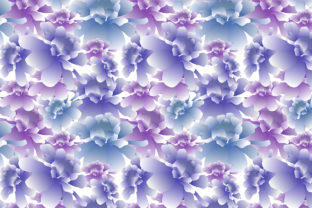
The fact that this pattern is available in other color options is a significant functional benefit, but choosing the correct variation requires strategic thinking. Color is not merely decorative; it is communicative. When browsing the available iterations of a Detailed Sketch Colorful Floral Pattern, apply the following framework:
- Vibrant/Saturated: Best for youth-oriented brands, summer collections, and high-energy digital campaigns. These draw immediate attention but can fatigue the eye if overused.
- Pastel/Soft: Ideal for baby products, wedding stationery, wellness brands, and spring-themed content. These convey gentleness and approachability.
- Muted/Earthy: Suitable for sustainable brands, autumn/winter collections, and sophisticated interior design. These suggest maturity and grounding.
- Monochromatic/Tonal: Perfect for luxury branding, minimalist websites, and embossing/debossing applications. These emphasize form and texture over hue.
Remember that the "colorful" descriptor encompasses a wide spectrum. Do not assume that a colorful pattern must be rainbow-bright. Sometimes, a rich, deep jewel-tone variation offers more sophistication than a primary color palette. Always view color options in the context of your existing brand guidelines or project mood board rather than in isolation.
Integrating Authenticity into Modern Projects
Ultimately, the decision to utilize a Detailed Sketch Colorful Floral Pattern is a decision to prioritize authenticity. In a marketplace saturated with generic stock assets, the specificity of hand-drawn design acts as a differentiator. It signals to the audience that the creator values craft and detail. Whether you are a business owner refreshing your packaging, a designer building a client’s identity system, or a crafter creating unique merchandise, this style offers a robust foundation.
Success with this asset type comes from respecting its origins. Allow the details to breathe. Choose colors that enhance rather than overwhelm the linework. Test the pattern in its intended environment before finalizing. By treating the illustrated floral pattern not just as a decoration but as a integral component of the visual narrative, you unlock its full potential to engage, delight, and communicate effectively with your audience. The enduring appeal of hand-drawn botany proves that even in our most advanced digital age, there is no substitute for the expressive power of the human hand.