Hand Drawn Daisies Floral Pattern: A Guide to Organic Design Versatility
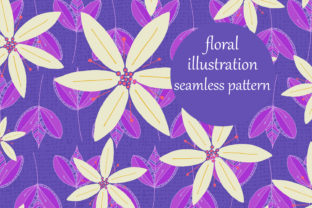
In an era dominated by algorithmic generation and pixel-perfect vector symmetry, there is a distinct and growing appreciation for the imperfect. The Hand Drawn Daisies Floral Pattern represents a return to tactile artistry in digital spaces. Unlike standardized stock vectors, an illustrated floral pattern made from hand-drawn designs carries the unique weight of human touch. Every petal curve, stem variation, and leaf placement tells a story of intentional creation rather than automated replication. For designers, crafters, and business owners, understanding the nuance of this specific aesthetic is crucial for creating work that resonates emotionally with audiences seeking authenticity.
The Anatomy of Authentic Illustration
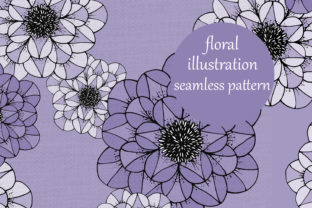
To fully leverage a Hand Drawn Daisies Floral Pattern, one must first understand what distinguishes it from other botanical assets. The primary characteristic is line quality. Hand-drawn illustrations often feature variable stroke weights that mimic traditional media like ink pens, watercolors, or graphite. This organic inconsistency creates visual rhythm that guides the eye naturally across a surface without the fatigue associated with rigid geometric repetition.
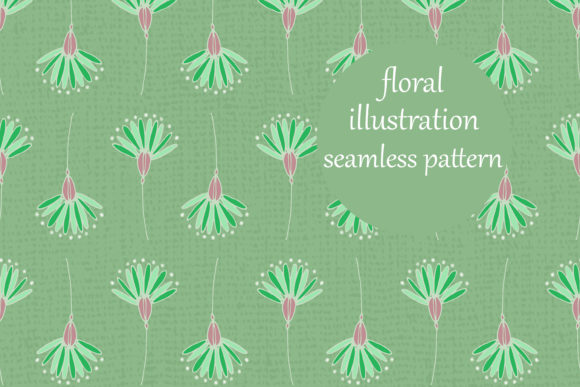
Furthermore, these patterns are typically created as seamless repeats but retain a sense of randomness. While the technical tiling is precise, the internal composition avoids obvious grid structures. This "controlled chaos" is what makes an illustrated floral pattern made from hand-drawn designs so effective for background applications; it provides texture and interest without competing aggressively with foreground content. The daisy motif itself adds a layer of psychological value, universally recognized as a symbol of innocence, new beginnings, and cheerful simplicity, making it inherently approachable for diverse demographics.
Practical Applications Across Industries
The versatility of this pattern extends far beyond simple decoration. Because it balances whimsy with structural repeatability, it serves functional roles across multiple sectors. When evaluating where to implement this asset, consider the following high-impact scenarios:
- Sustainable Packaging Design: Eco-friendly brands often struggle to communicate their values visually without relying on cliché green leaves. A hand-drawn daisy motif suggests natural origins and artisanal care, reinforcing the unboxing experience for organic skincare, boutique food items, or zero-waste products.
- Textile and Apparel Manufacturing: In fashion, scale is everything. This pattern works exceptionally well for children’s wear due to its playful nature, but when scaled up or recolored, it transitions seamlessly into adult bohemian or cottage-core aesthetics. The hand-drawn quality ensures the print looks expensive and custom rather than mass-produced.
- Digital Stationery and Web Backgrounds: For wedding websites, blog themes, or digital planners, the pattern provides necessary whitespace management. It breaks up large blocks of text with softness while maintaining readability, a balance that bold photographic florals often fail to achieve.
- Home Decor and Surface Design: From wallpaper to ceramic transfers, the organic lines of hand-drawn daisies hide minor application imperfections better than sharp digital graphics. This makes them forgiving and practical for DIY projects and professional interior finishing alike.
Navigating Color Variations and Customization
One of the most significant advantages mentioned in product specifications is availability in other color options. This is not merely an aesthetic choice but a strategic necessity. Color dictates context. A black-and-white version of the Hand Drawn Daisies Floral Pattern reads as modern, minimalist, and sophisticated, suitable for luxury branding or editorial layouts. Conversely, pastel iterations evoke nostalgia and softness, ideal for nursery decor or spring-themed marketing campaigns.
When selecting a colorway, professionals should evaluate the intended medium. Digital screens render colors differently than fabric dyes or paper inks. An illustrated floral pattern made from hand-drawn designs often includes subtle shading or watercolor bleeds that require careful color profiling. If you are using this for physical production, always request a test swatch to ensure the hand-drawn details remain crisp and the color saturation matches your brand guidelines. The ability to switch between color options allows a single design asset to serve multiple seasonal campaigns or product lines, maximizing return on investment.
Evaluating Suitability for Your Project
While charming, hand-drawn aesthetics are not a universal solution. Determining whether this specific pattern aligns with your goals requires honest assessment. Ask yourself if your project demands precision or personality. Technical manuals, corporate financial reports, or ultra-modern tech interfaces may clash with the rustic warmth of hand-drawn daisies. However, if your objective is to build trust, convey warmth, or differentiate from sterile competitors, this style is highly effective.
Consider also the resolution requirements. Hand-drawn originals are sometimes scanned at specific resolutions. Ensure the file you acquire supports your intended output size. A pattern optimized for web use may appear pixelated when blown up for wall murals. Always verify the technical specifications regarding DPI and vector vs. raster formats before committing to a large-scale production run.
Integration Tips for Non-Designers
You do not need to be a professional graphic designer to utilize this pattern effectively. For small business owners and creators managing their own visuals, follow these practical integration principles:
- Respect Negative Space: Hand-drawn patterns are dense with detail. Always leave ample solid-colored margins or overlay areas for text. Crowding the pattern reduces legibility and visual impact.
- Mix with Solid Typography: Pair the organic curves of the daisies with clean, structured sans-serif fonts. This contrast enhances readability and prevents the overall design from feeling too informal or messy.
- Use Opacity Layers: If the pattern feels too bold for a background, reduce its opacity to 10-20%. This creates a watermark effect that adds depth without distracting from primary content.
- Test in Context: Never judge the pattern in isolation. View it alongside your logo, product photography, and body copy. The hand-drawn elements should complement, not overpower, your core message.
The Long-Term Value of Artisanal Digital Assets
Investing in high-quality, hand-crafted digital assets like the Hand Drawn Daisies Floral Pattern is an investment in brand differentiation. Trends cycle rapidly, but genuine craftsmanship possesses timeless appeal. Consumers are increasingly adept at distinguishing between generic AI-generated filler and thoughtful human design. By choosing an illustrated floral pattern made from hand-drawn designs, you signal attention to detail and respect for tradition.
Moreover, the adaptability of this pattern ensures longevity. As your brand evolves, the ability to recolor or rescale the asset means it can grow with you. It serves as a flexible foundation upon which various visual identities can be built. Whether used for a limited-edition product launch or as a permanent fixture in your visual vocabulary, the inherent warmth and organic structure of hand-drawn daisies provide a reliable anchor in a fast-moving digital landscape.
Ultimately, the decision to incorporate this pattern should be driven by the emotional response you wish to elicit. It is more than just a decorative repeat; it is a communication tool that speaks of nature, care, and human connection. By understanding its characteristics, respecting its technical needs, and applying it with strategic intent, creators and businesses can transform a simple floral motif into a powerful component of their visual storytelling arsenal. The enduring popularity of the daisy, combined with the irreplaceable quality of hand illustration, ensures this pattern remains relevant, useful, and deeply engaging for years to come.